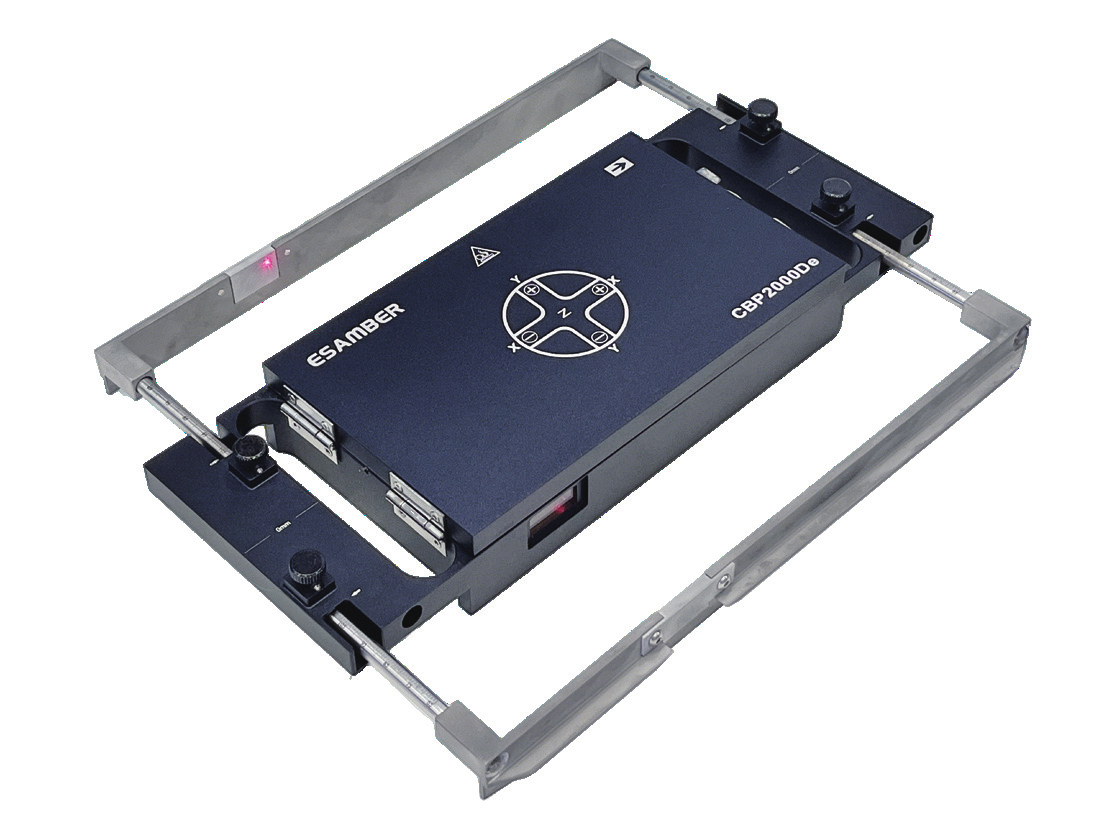
Fast, real-time, intelligent, reliable. The CBP2000De evaluates solder-oven rail performance in the live production state — no need to stop the line or open the oven. Drop it in at the entrance, collect it at the exit, and it automatically records rail width deformation, vibration, incline, climb and level across the full path.
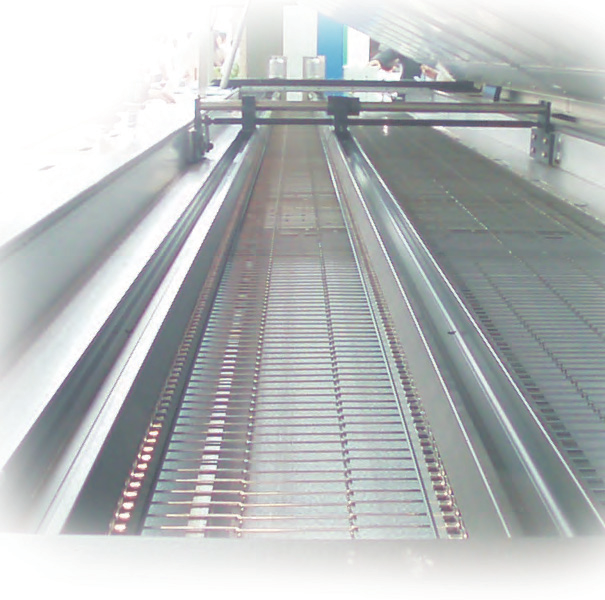
Pricing: Request a QuoteThe CBP2000De is a solder-oven conveyor/rail performance evaluation system that can test in the live production state — no need to stop and open the oven. Place the rail tester in at the oven entrance and collect it at the exit to complete a test; it automatically records the rail’s true width deformation, vibration, incline, climb and level across the full path. Both reflow and wave soldering equipment can be tested.
Especially after a product change or rail adjustment, parallelism is the biggest hidden hazard. Timely parallelism testing effectively prevents the jammed-board, dropped-board and scorched-board losses caused by rail distortion.
| Model | CBP2000De |
|---|---|
| Sampling rate | 0.05 ~ 20 s, adjustable |
| Deformation range | 0 mm ~ 15 mm |
| Deformation resolution | 0.1 mm |
| Deformation accuracy | ±0.2 mm |
| Angle range | 0 ~ 20° |
| Angle resolution | 0.1° |
| Angle accuracy | ±0.2° |
| Vibration range | ±2g |
| Vibration resolution | ±1 mg |
| Vibration sensor accuracy | ±2 mg |
| Temperature range | -50 ~ 800 ℃ |
| Temperature resolution | 0.1 ℃ |
| Temperature sensor accuracy | ±0.5 ℃ |
| Heat resistance | 8 min @ 300 ℃ oven |
| Data storage | Up to 32 records |
| Data interface | USB Type-C 5V/1A |
| Battery | Rechargeable lithium battery |
| Software languages | Simplified / Traditional Chinese · English · Vietnamese |
| OS | Microsoft Windows 7 / 10 / 11 |
Specifications per manufacturer datasheet CBP2000De V3.5. Subject to change without notice.
English specification summary available on request — ask us.
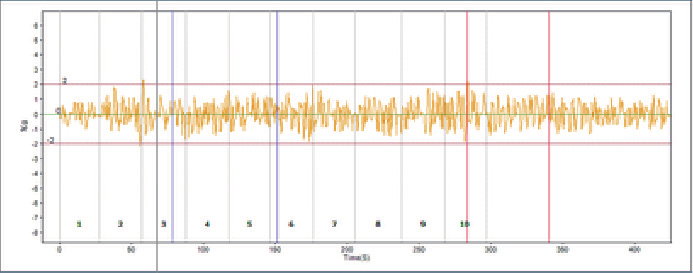
The Windows software provides SMT mode-file management, USB data download, one-click report generation & analysis, curve-comparison, equipment-performance analysis and a user-friendly interface, with customizable MES upload. A rail high-low front-to-back produces a climb-style pass; a left-right difference produces a tilting sway — both cause component shift or drop. The software pinpoints the problem zone via width-deformation, vibration, incline, climb, level and air-temperature curves.
Request pricing, lead time and a North American demo configuration.